
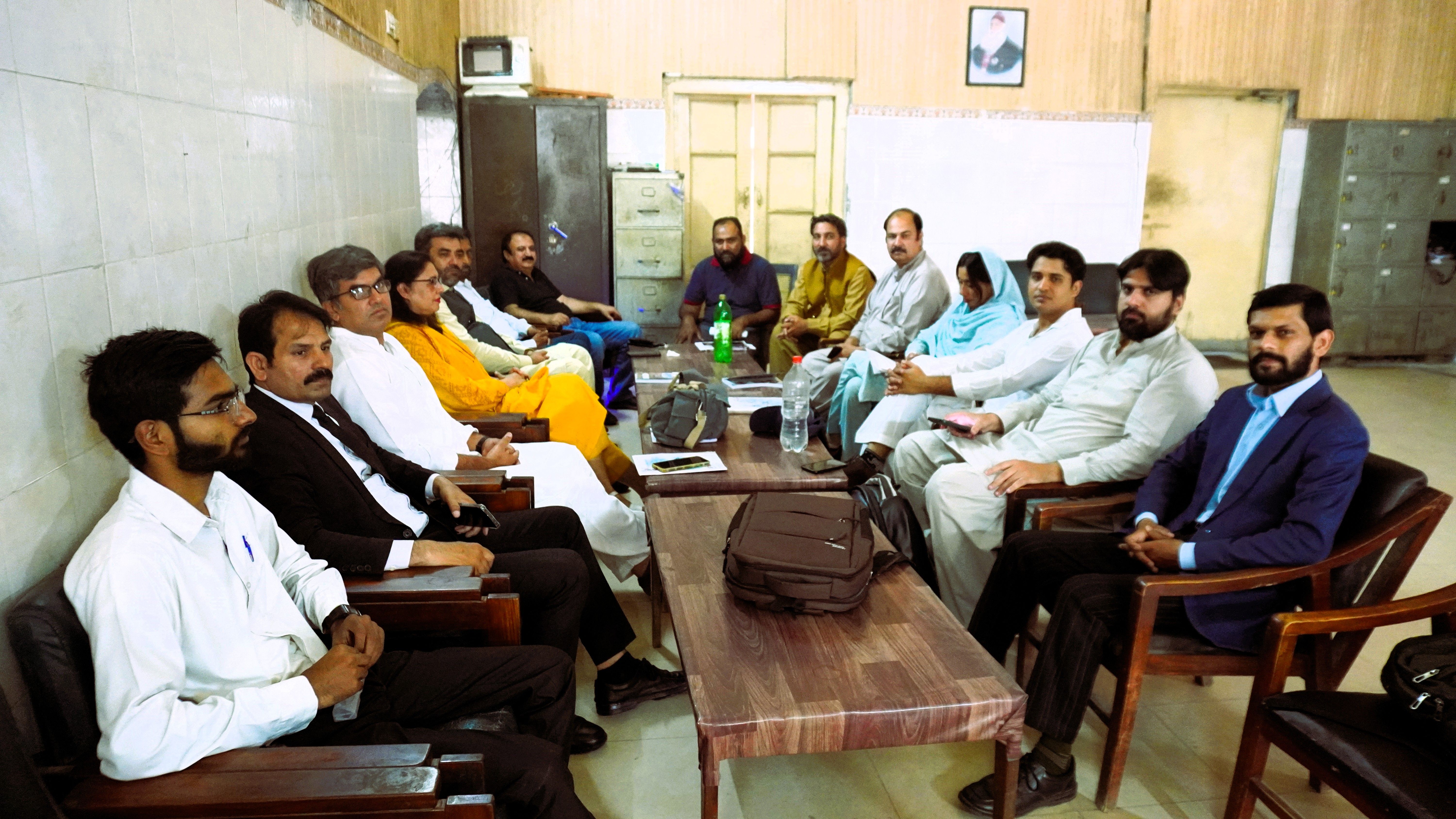
Teachers, students and lawyers gathered at Dyal Singh College to protest policies they say are pushing public colleges and educational institutions toward privatization.
Participants argued that education is a public responsibility rather than a commodity to be governed by market interests. They raised concerns that the transfer of public institutions to private or profit-driven entities could make education less accessible and affordable for students.
Protesters criticized what they described as the state's withdrawal from its responsibility to provide and maintain public education. They warned that allowing corporations to take a greater role in education risks shifting the focus from students' needs and public welfare toward profitability.
The gathering brought together teachers, students and members of the legal community, who expressed opposition to policies that they said could turn educational institutions into businesses and students into customers.
Participants demanded an end to privatization policies and called for greater public investment in educational institutions. They argued that maintaining strong public institutions is essential to ensuring that students from working-class and low-income backgrounds can access education.
The protest also emphasized the broader question of who public institutions are meant to serve. For those gathered at Dyal Singh College, education is a collective right and public resource that should remain accessible to all rather than being shaped primarily by market interests.
The participants reaffirmed their opposition to the commercialization of education and called for public institutions to remain under public responsibility.