A State Anxious of Its Own People & Dissent Met with Emergency
It comes as no surprise that the Pakistani state has long carried an underlying paranoia and anxiety toward any form of dissent, a fear so deeply embedded it now feels almost instinctive. Whether it was the 2019 student protests or the ongoing Kashmir protests today, the same century-old colonial structure, now inherited by the modern establishment, has consistently moved to suppress it.
This is not a new instinct born of a single crisis, but a governing reflex that treats every act of collective voice as an existential threat rather than a legitimate demand. In Azad Jammu and Kashmir, this pattern has played out with striking clarity. The Joint Awami Action Committee did not emerge to challenge the state's sovereignty; it emerged to demand lower electricity tariffs, a fairer share of hydroelectric revenue, and the abolition of reserved assembly seats that diluted local representation.
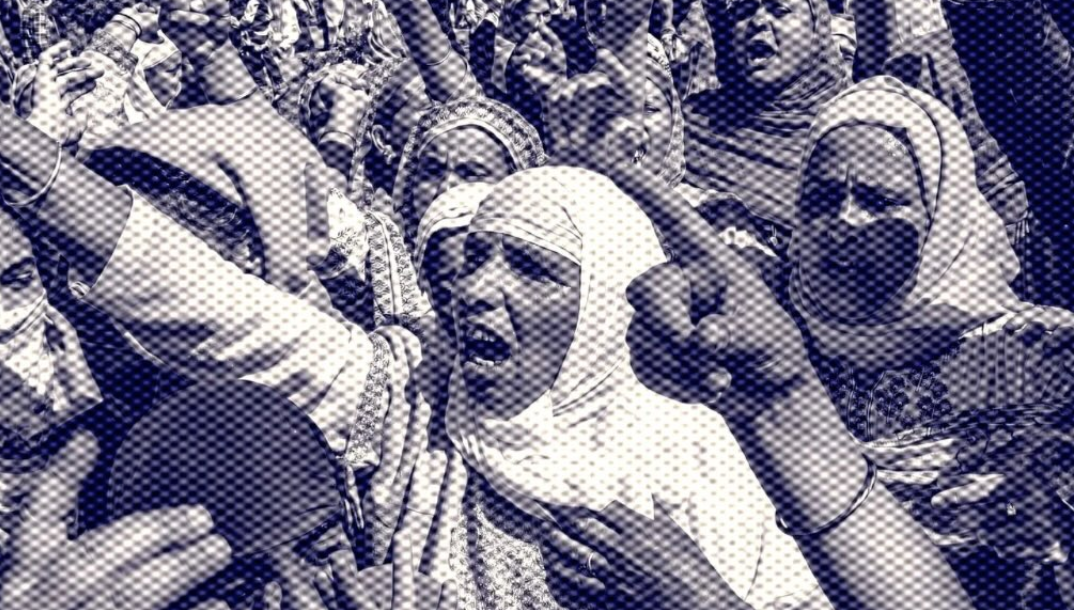
Yet within months, the state's response mirrored its oldest habits: the movement was banned under anti-terrorism law, its leaders branded enemies in the same breath as hostile foreign powers, and its demonstrations met with force that left dozens dead and an entire region cut off from communication.
Solidarity itself became a target. Former Senator Mushtaq Ahmad Khan, carrying white flags and medical aid toward AJK, was intercepted, briefly disappeared, then later arrested for holding a peaceful vigil in Islamabad. He was then produced before the Anti-Terrorism Court.
In Karachi, Lahore, and Islamabad, solidarity rallies for Kashmir met swift crackdowns—organizers detained, roads sealed, permits denied. Peaceful gatherings mourning Rawalakot's dead were branded law-and-order threats, proving the state's anxiety extends far beyond Kashmir's borders, into any city where citizens dare to grieve publicly.
The deep state is scared, anxious, and paranoid.